

Beetling Around in Pollen
Not all pollinators are Bees

Last year I was asked to give a presentation on Pollinators to the Master Naturalist training class, and they liked it so much they asked me back again this year. As preparation for it1 I pulled out the macro lens and went hunting pollinators to update and refresh my presentation slides. I mentioned what I was up to with a friend, who gave me this look with big blue eyes, so yes, of course she was welcome to come along! Two sets of eyes are better than one when it comes to spotting the little things. As it turned out, we had three people and a very well-behaved dog who minded her manners and didn’t scare anything off. We covered about two and a half miles in the course of two and a half happy hours. I got a little sunburned2 but it was worth it!
The first photos were actually taken in my friend’s back yard, where she has a path of Prickly Pear in bloom, and in that…
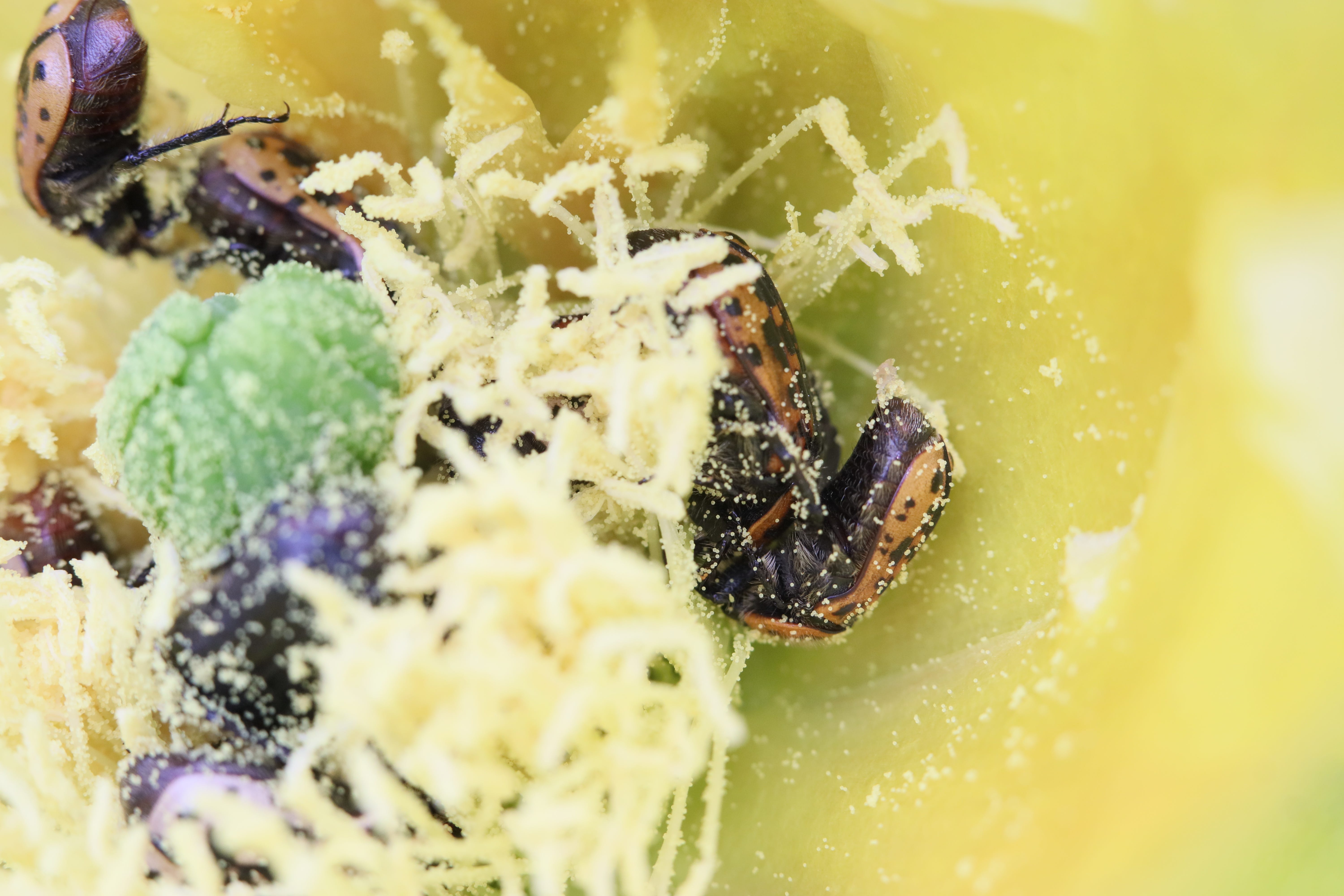
These beetles having a party… yeah, we’ll call it a party… in the big bowl-shaped cactus blooms are Kern’s Flower Scarabs, and as you can see, they are simply covered in pollen grains. When they move from here to a different plant, those will travel along, and voila! Cross pollination. Beetles are something I find on a lot of flowers, even though bees get all the glory3 when it comes to pollinators.
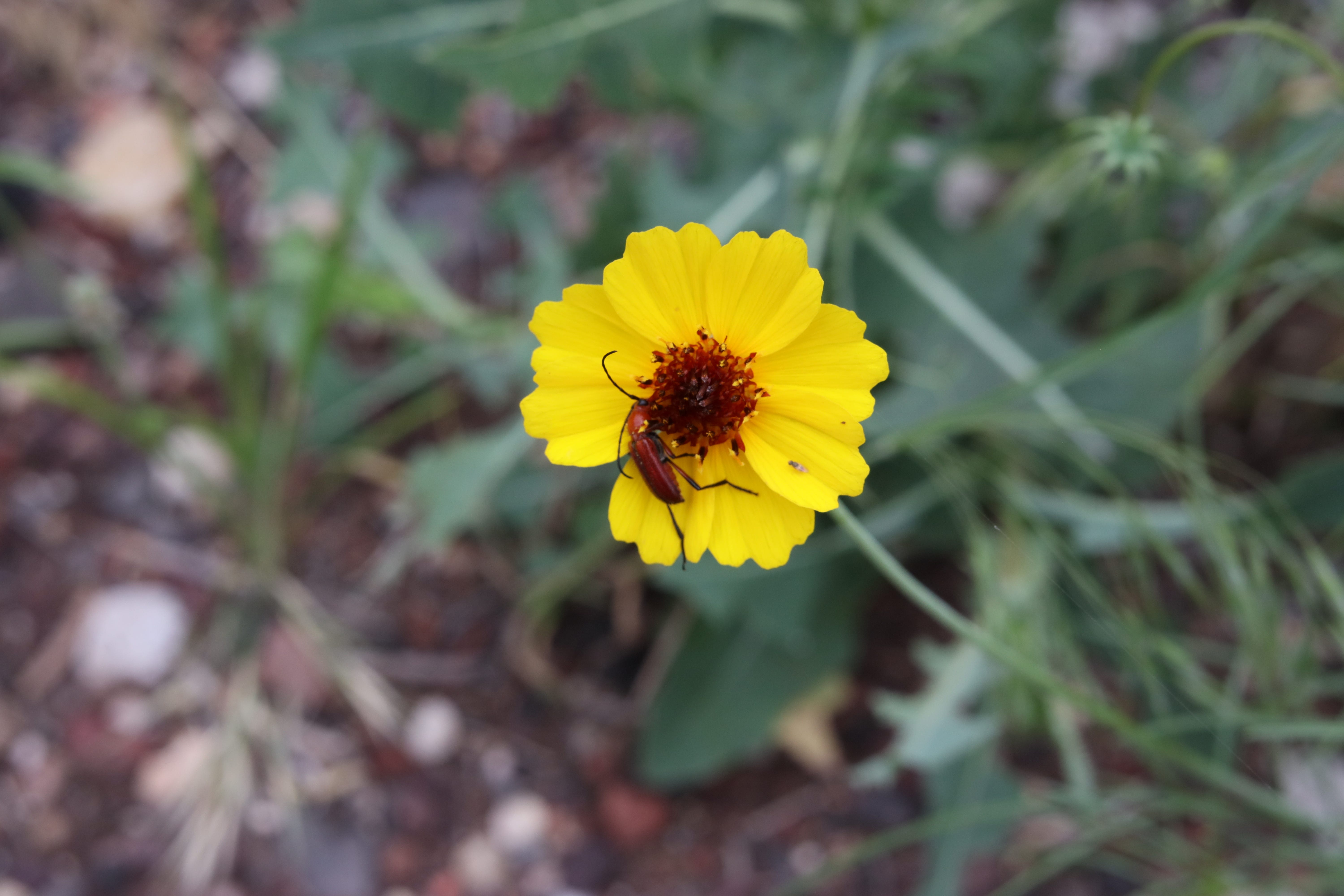
Beetles aren’t as well-known as bees, or as charismatic as butterflies, but they are still a welcome addition to any flower patch planted with an eye to attracting pollinators. Or they should be. A lot of gardeners fall into the trap of assuming all beetles are a pest in the garden, which is unfortunate.
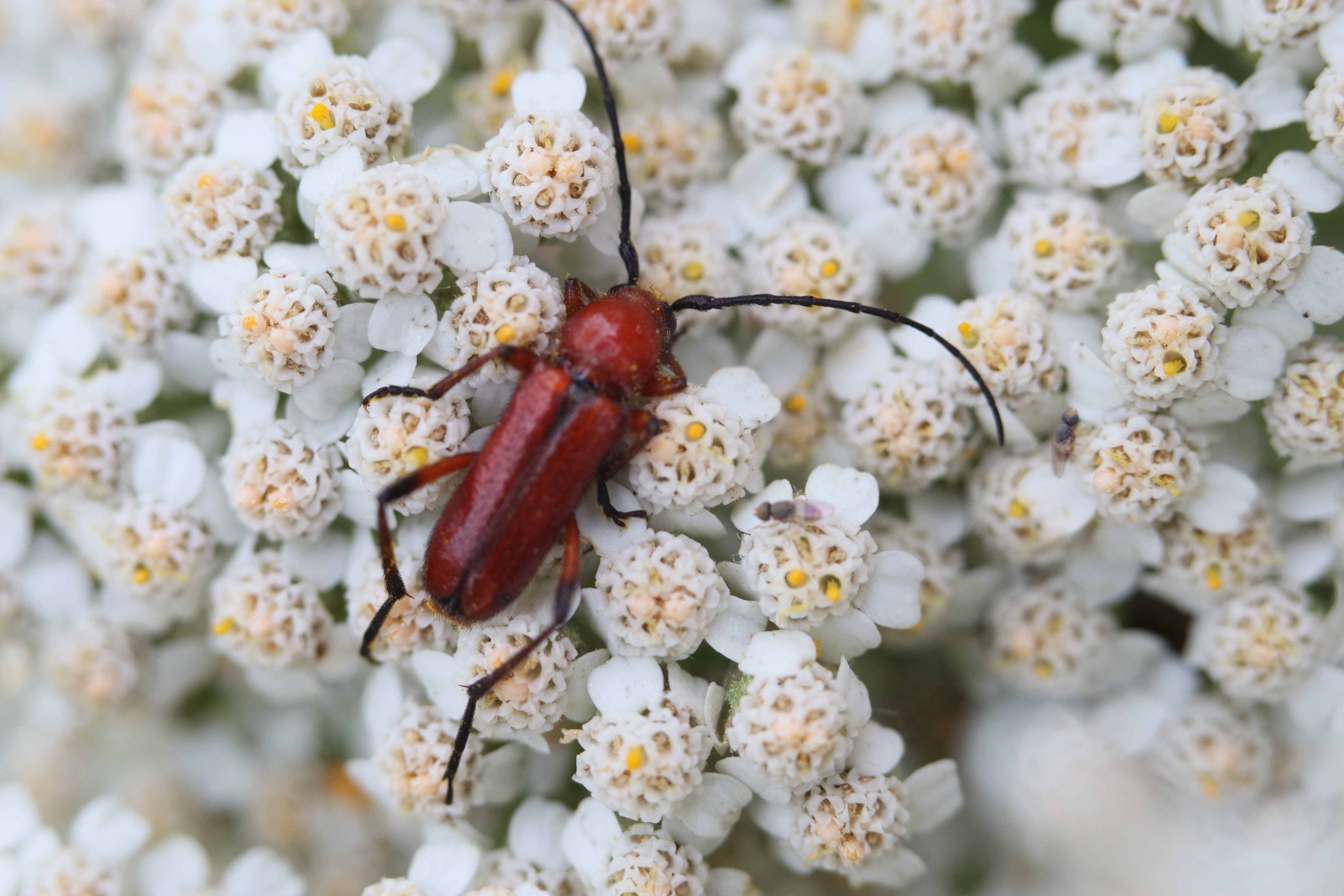
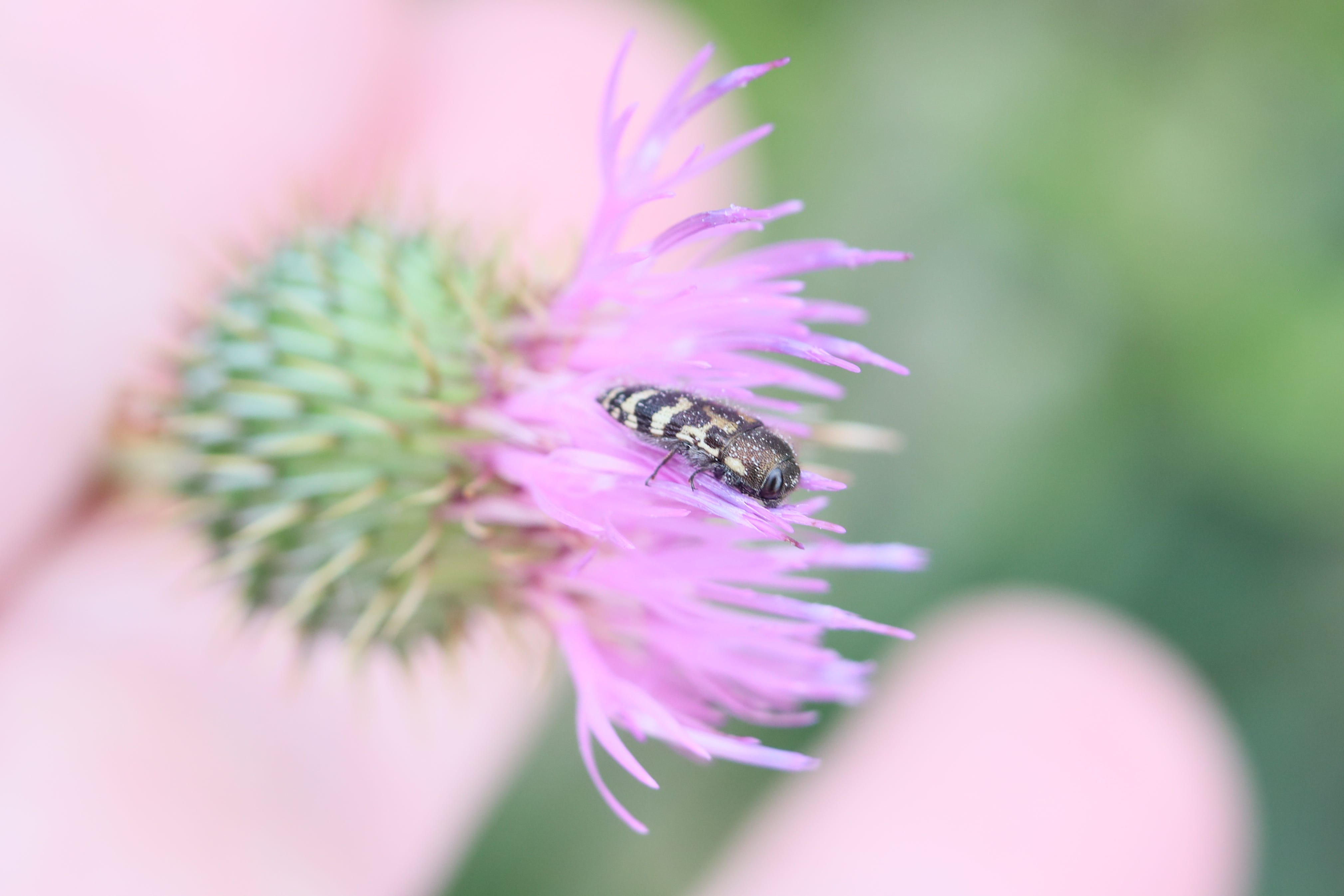
Some beetles do have hairs, like bees, only not as fuzzy. These beetles can and do carry quite a bit of pollen some distance. The Buprestidae shown above, with a background of fingers for scale, is one such. Beetles are so abundant, and so widely varied in what they do and where they are found, it should be no surprise at all to discover them in the pollination business.
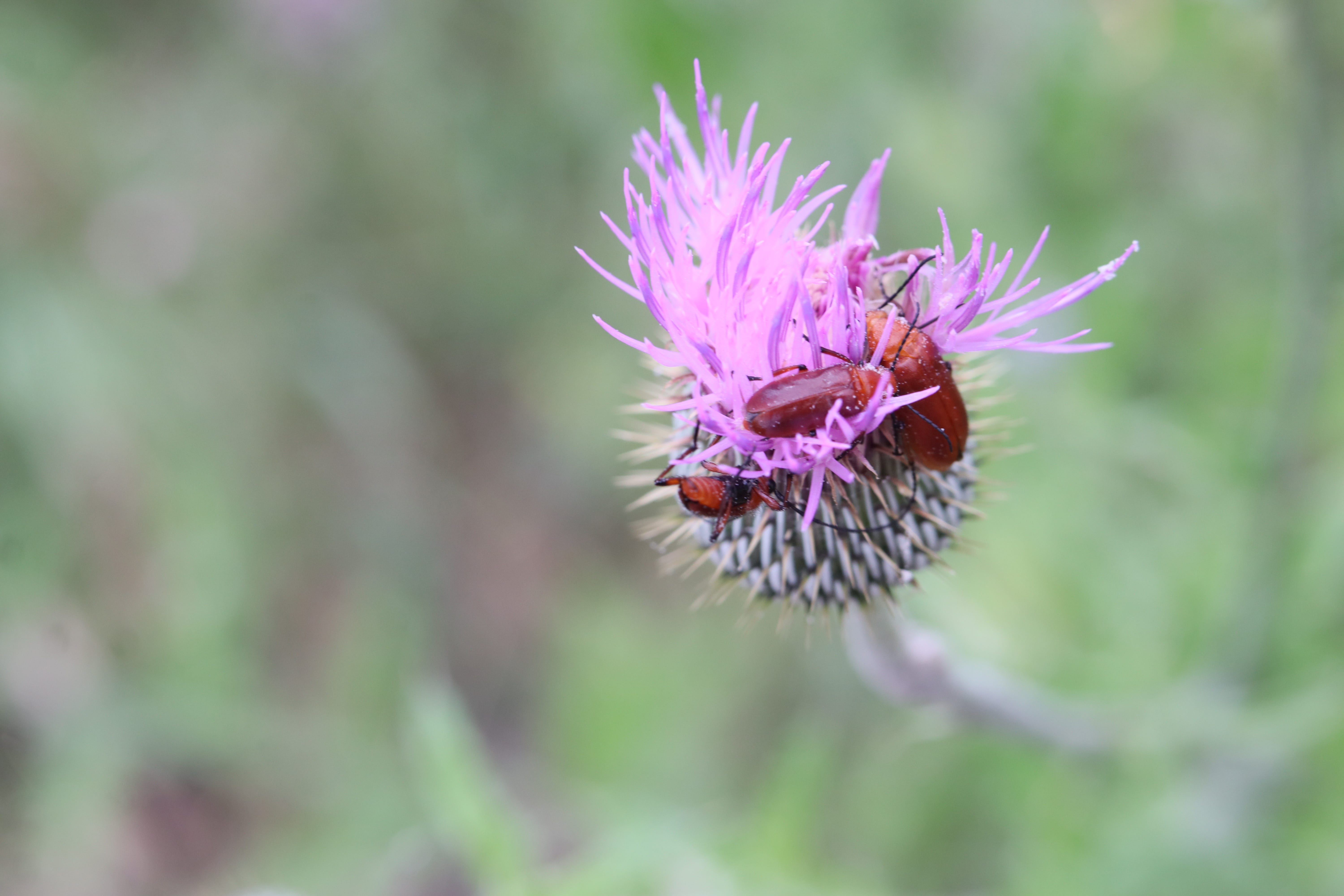
If you go looking for beetles, you’ll likely find them on larger flowers, but not always! The minute little carpet beetles were all over my chamomile blooms earlier this spring. The big Flower Scarabs seem to favor larger blooms like the cactus or Prickly Poppy, or sometimes even roses.
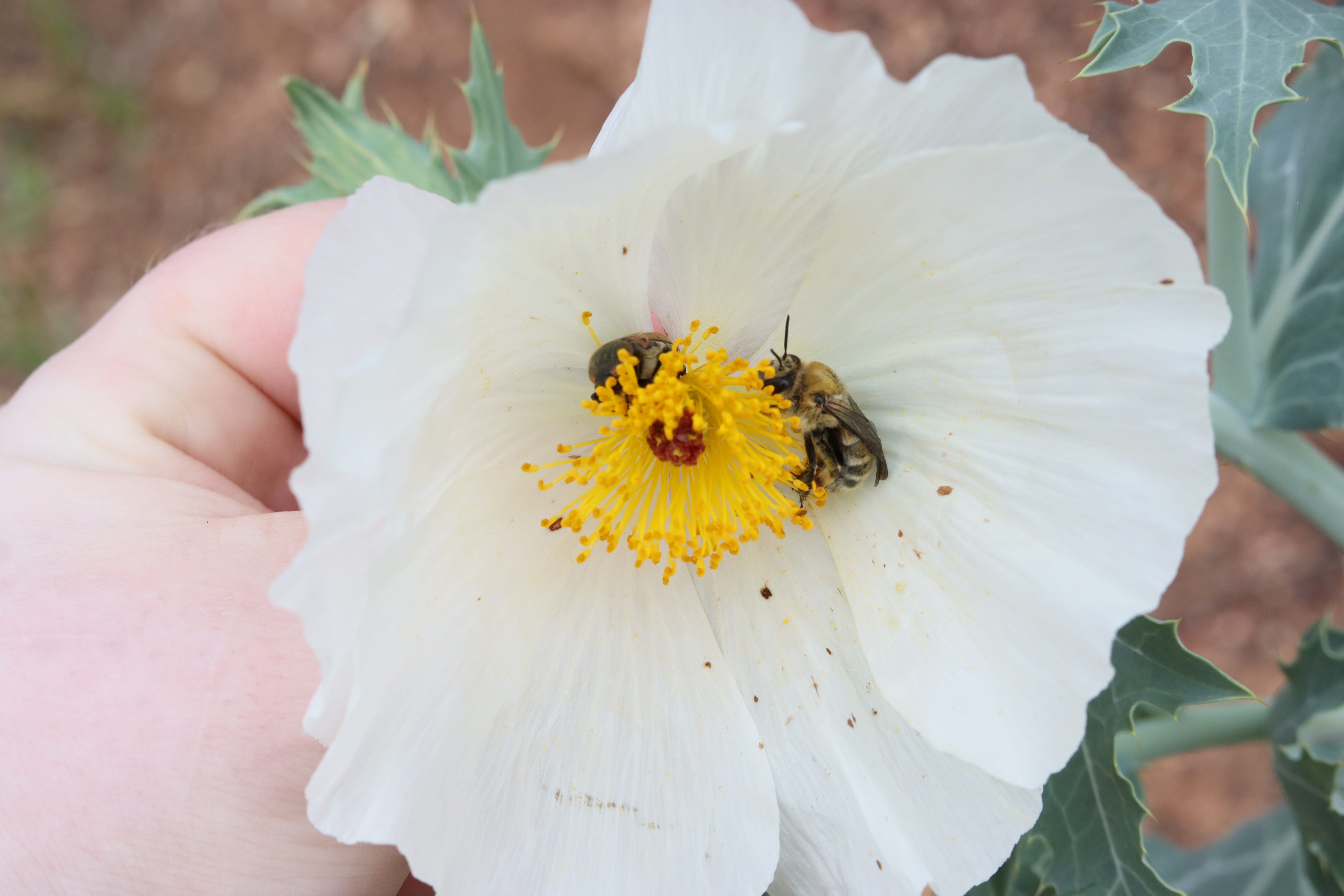
In large flowers, you may even find more than one kind of pollinator, like this lovely squash bee sharing space with an unidentified beetle in a Prickly Poppy.
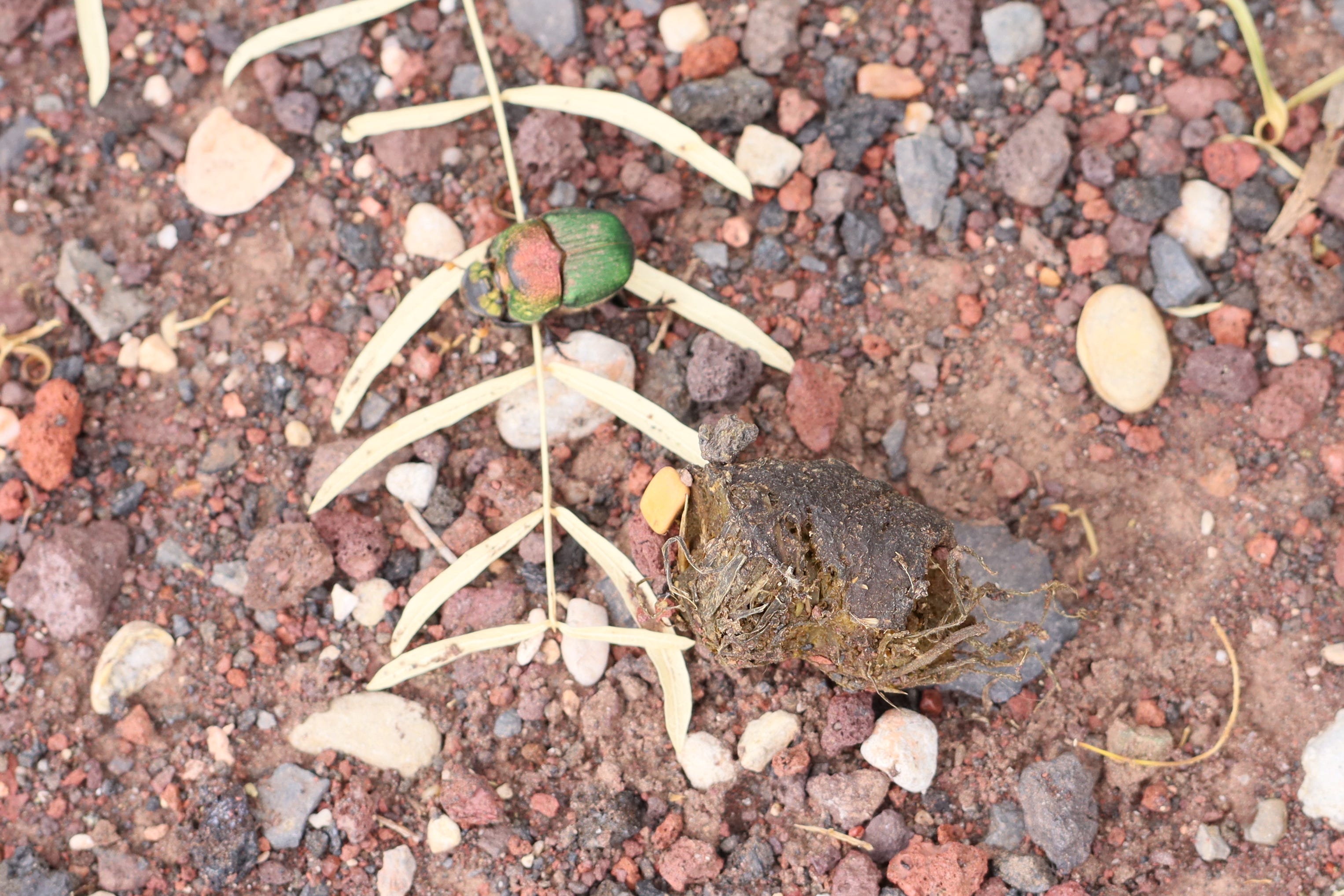
And of course beetles have other important jobs in the environment as well, like the amazingly beautiful Rainbow Scarab, who does a dirty job while looking fabulous!
You may read that as “It gave me a good excuse"!
My husband insists that was not a little sunburn. I had neglected to wear a hat as it was overcast, so it was my own darn fault.
For good reason, I have my tongue in my cheek with this post, but bees are covered in hairs and often have pollen-collection patches on their body to accumulate mass quantities of pollen, so they are more efficient at the job than other invertebrates.
I was a little squicked when I found out the ... Deception... some orchids use to get pollinated by gentleman beetles