

Contagion
A Throwback Article

This post was published on August 2, 2014. Read that date again. Yeah, then read the post and think about the last few years. The ability to predict a thing doesn’t make it any easier to have dealt with, or any less likely to happen again, in this particular and specific occurrence. The analogy for book selling in the Indie era holds, though. This is how word of mouth works - slow, but inevitable if you are delivering the good stuff.
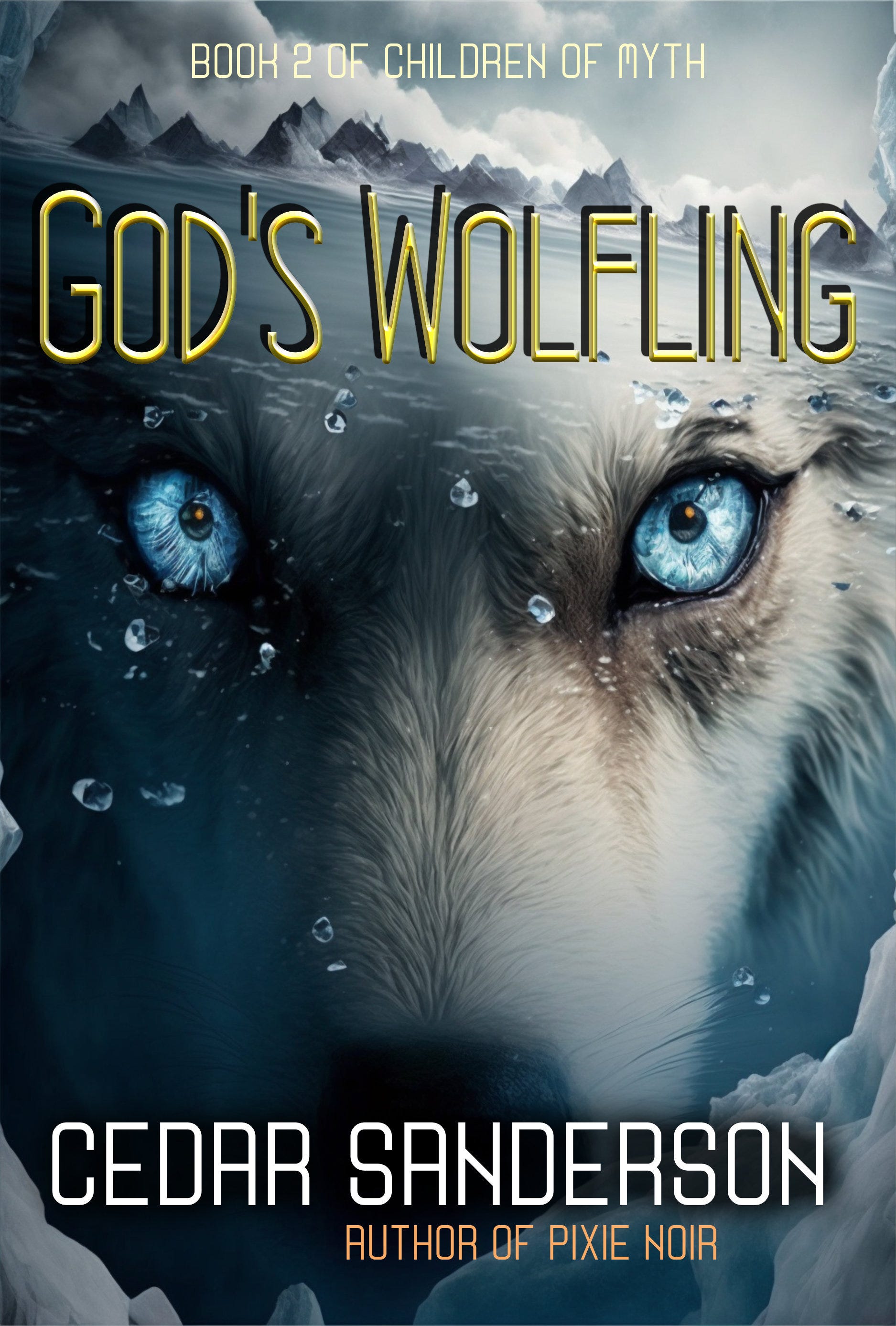
I launched a new book yesterday. Now, for an Indie Author the first week isn't quite as make-or-break as it is for a traditionally published author. I'm not under the constraints of having my entire career judged on how many copies of this book I can move before the book is no longer on the shelves. I'm not worried about making best-seller lists. They would be nice, and maybe someday, but for now what I need to do is create a ripple.
Because it's a little like an epidemic (I'll get into why I'm using this metaphor shortly, bear with me). You infect a bunch of people with joyful reactions to the book, and they spread that with 'this is so good, you have to try it…" and it ripples outward. But those ripples take time, I'm learning. The first book in this series was my first novel published. It dropped into the pond with a quiet little 'bloop' and I never expected to hear anything about it.
But then I'd get 'when is the sequel coming out?' and I saw the sales number creep steadily along. Never spectacular, but for coming onto three years now, steady. So I wrote the sequel. And yesterday, having announced it was out, and that I had no intention of writing any more in this series, I realized that isn't true. I have to write at least one more, and maybe two. So the infection isn't just on the reader's side of the equation, but on my end too.
Back to the readers. You start out with… looks at her numbers from the last two days… about a dozen people. Not as good as the Noir series, for sure. But that's ok, because there's something called an incubation period, and that is what the traditional publishers disregard entirely. It takes time to buy and read a book (well, for some people, others will read it in hours and be back demanding MORE from the author who is bewildered to see weeks of their effort consumed like a jello shot), and then for the reader to pass on the word.
But the ripples do spread, and in time there will be attention given to the books that deserve it, particularly if there are more titles by that author to keep the voracious reader intoxicated with their stories. I don't know if this book will be catching, but I am hoping.
Now, why the epidemic metaphor? Because two reasons. I've been hearing a lot about the whole thing with Ebola recently, and given what I'm studying right now I'm paying very close attention. It would go into a book easily, and it's ironic to me that I had started writing a book tentatively titled Plague War just a few weeks ago.
It's not just the disease itself, although Ebola is frighteningly dramatic on it's own. There is also the element of mystery: is it airborne? which was, by the way, the main topic of the fictionalized book The Hot Zone. But most of all, it's the panic a truly vicious epidemic engenders. I'm watching conversations on facbok (sic) blow up with things like 'I saw 12 Monkeys, man!" (I have not, but I can guess, and using Hollywood as a measure of what a outbreak looks like is truly horrifying) and I'm taking notes for the new book.
I suspect if we did actually have an outbreak here, even if it were quickly confined, we'd see mass panic. I think we'd also see fingers pointed in the wrong direction, which for the purposes of a book is very useful to lead into red herrings. "They brought it to us! Brought people to that there secure hospital and it got out!" when what really happened was a businessman from Liberia got onto a crowded airplane with a nasty nagging headache behind his eyes…
In writing, we get to play fast and loose with the facts. The real world is a bit more constrained. Part of the reason Ebola rages like wildfire where it is, is the way medical emergencies are handled. Not just the patient goes to the hospital, but a sizable cadre of their family, to provide comfort and care. Most African hospitals haven't got what we think of as nurses, nor do they have the facilities to sterilize equipment. Between these things, and the fact that people panic, you wind up with sick people coming to the hospitals with a bunch of healthy people. Then, when people start dying (especially when the health care workers start getting sick) the ones who are still mobile panic and flee, carrying the contagion back to their homes and re-igniting the infections. It's a vicious cycle, and a proper quarantine isn't really possible. Here in the US, it is. We have a little more trust in our healthcare (for good reasons) and we're more likely to allow a quarantine.
Oh, and one of the main points in my book I'm working on, that an entire planet could be cut off and left to die out of fear? I'm drawing that from reality, too. People will advocate genocide when they are afraid, I had someone suggest that in a recent conversation about the Ebola epidemic, too.
I've books for you! Pick up a copy, and pass the word… If you're in the mood for something more fantastical and full of myth, I'll suggest the new book, The God's Wolfling. You'll get to be a vector in my book infection!
From 2014 and it's astounding how well some of your comments have aged. Unfortunately.