

Erdu
A throwback article

This article was originally published at the Mad Genius Club on July 29, 2017. Sometimes I just have to let the inner scientist geek out.
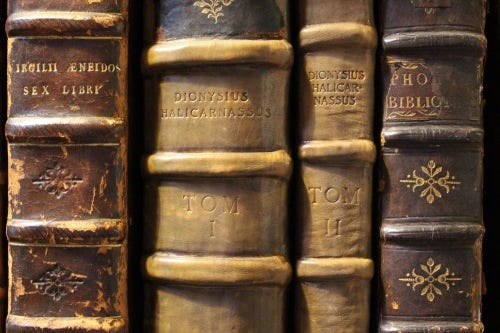
I’ve been reading science journals a lot, while I’m waiting for reactions at work. I need something to do, and mostly they are work-related. But I came across an article which delighted me, and I had to share it with you all. There aren’t many places where I can really let my inner book geek hang all out, but this is one of them!
It used to be that in order to test a book for science, you’d have to destroy a little bit of it. Somewhat obviously, museums and collectors reacted to the thought of this with horror. However, with the advances of technology and ability to get down to the molecular level with testing, it’s now possible to use erdu for determining what skins vellum was made of...
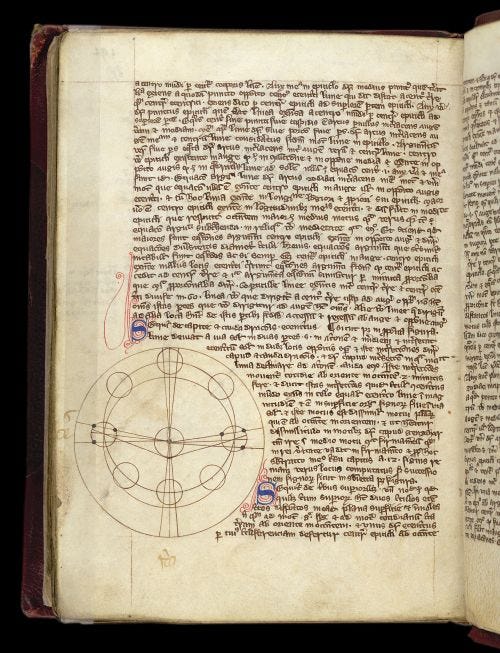
Well, maybe not vellum. It depends on how you define vellum, versus parchment. In general, vellum was higher quality, formed from calfskin, and was believed to have been most sought after from stillborn or newly born calves (3), which modern science has shown isn’t necessarily true. Instead, through studying the proteins, scientists learned that technology of the Middle Ages was better than we assumed it was. They were able to form onion-skin thin vellum from animal skins, leading to a proliferation of ‘pocket bibles’ in the 13th century. We talk about print runs, in this era of automation and mass production, so to put this in perspective: they postulate that 20,000 of these pocket bibles were produced. That’s an amazing amount of work, and animal hide. Scholars have wondered for years how they managed to sustain that level of production, until they were able to apply science to the books. This disproved both the theories about vast herds of cows being depleted through abortion of calves for making books, and other theories about the use of rabbit or squirrel skins (2).

I love that word: erdu. It’s so cool and weird and it means the little bits you have left when you use an eraser on paper. Mostly, the bits are made up of whatever the eraser is made of (they are not India Rubber any longer as they were in the days of Kipling’s schoolboys, which is sad, but manmade polymers like PVC), and whatever was on the sheet of paper the eraser was rubbed across, gently lifting up and encasing in the erdu. That ‘other’ material is what scientists are testing from old books.
It’s not that they are erasing anything from the page, simply using what is called a ‘dry cleaning’ method to remove the built-up crud of centuries, by creating an electrostatic attraction with the PVC eraser that lifts away the molecules. The book the article highlights dates back to the 1300’s and that’s a lot of time for stuff to accumulate. From the erdu, they were able to learn that this one book was made up of the skins of two species of deer (the cover), 8.5 calves, 10.5 sheep, and a half of a goat (1). Which is pretty amazing, but also weird.
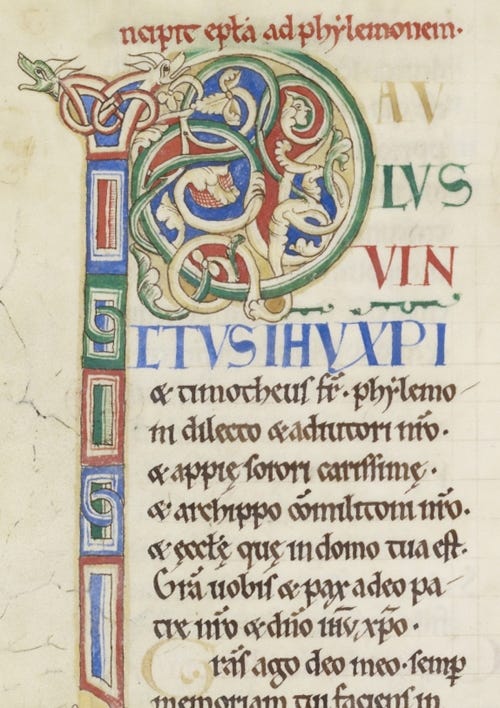
It gets weirder. I was vaguely aware that in some religious ceremonies, you kiss the book. Which action, as you can imagine, leaves a residue of bacteria behind. Can you imagine having the kiss it right after some guy with a snotty nose? Ewww... From these pages, scientists are able to isolate species of bacteria they associate with human hosts, and also DNA (1). However, the pages are ones with oaths on them - you swore, and then you kissed the oath to prove how much you meant it. We don’t do things with that sort of gravitas any longer, do we? Of course, we also know those bacteria are teeming around on the page waiting for the next pair of lips to call home.
While they can’t extricate individual DNA from those pages used by many to prove their devotion, they hope to be able to from a book that was owned by only one person. This could help them build a profile of the person, right down to hair and eye color. Other scientists are more interested in sampling worm poop - they want to know what species of beetles bored through the priceless books and left only their droppings behind in neat tunnels (1).
We have come so far, in these last centuries. From parchment, papyrus, vellum... to rag paper, and pulp paper, and now to electrons leaving a fleeting impression on screens. Even if you all are kissing your computer screens (I don’t want to know!) or slightly less gross, sneezing on them, chances are some as-yet-unborn scientist is not going to be swabbing it for your DNA. Much less being able to tell what you were reading.
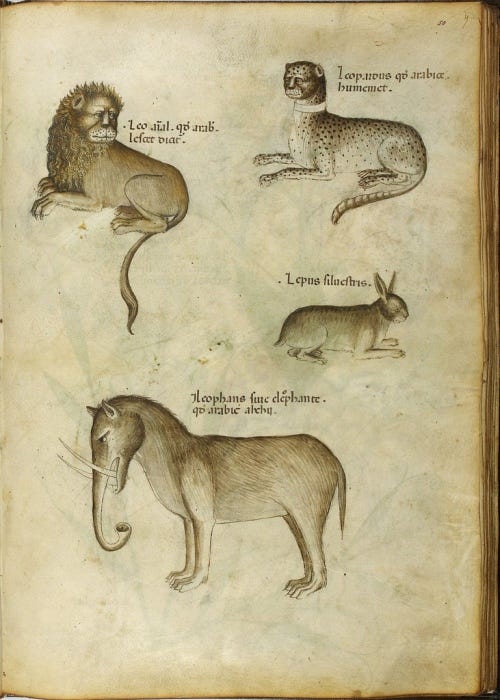
Not necessarily in order.
1. T.M.I.
2. Ew-w-w.
3. "Erdu" <----> "Urdu" got me wrapped around the axle. Was looking for some Vedic Vellum angle.
4. Fascinating, informative, fun post. A gem.
5. Thanks.
I followed the link to Fiddyment et al's paper and found it quite interesting. However in the Material And Methods section; "6): pocket Bibles (height + width < 385 cm)", or pocket bible height plus width 151 inches they must have had really big pockets! Grin.
OK they did note in their supporting data pages millimeters not centimeters as do other references I found elsewhere but I have to admit, that 385 cm number did throw me for a minute.