

Predictability
A Throwback Article

This was originally published at the Mad Genius Club on February 27, 2016. As authors, this is something we must consider, if we are to bring characters fully alive for our readers, while also keeping in mind that not all readers can see outside the box they have so carefully taped together to seal out what they do not wish to acknowledge.
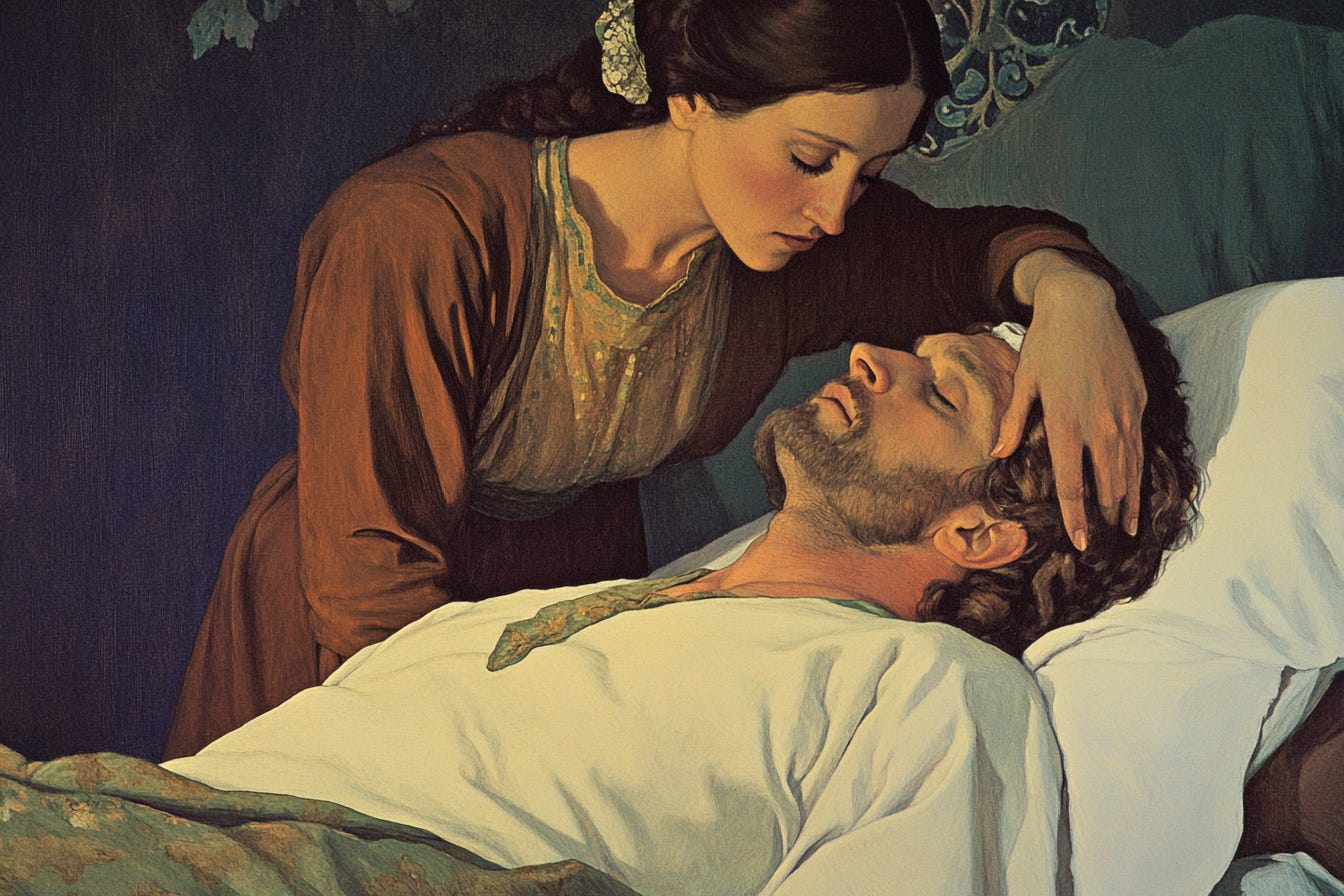
As we learn to write, one of the greatest tools, and conversely, the most crippling failing, can be the understanding that humans are predictable. It can be very easy to predict that a man and a woman pushed into close proximity with, say, one of them in the role of taking care of the other who has been injured: we all know that story ends with them being in love. But if we do this too often, we fall into stereotyping. There’s a thin line between developing a cardboard character who hits all the clichés for human behavior, and one who is richly alive but still human in their motivations and reactions.
Let’s take, for instance, a denizen of a blog we’ll dub vile 666 and make an assumption. We could write them as cowardly creatures who stay in their safe space ranting about things they have extrapolated from other blogs, and those things bear little to no resemblance to what the rest of humanity would call reality. But that would be a stereotype. Instead, we need to look deeper and see what motivates these characters and drives them to believe the way they do with the concomitant reactions that leave the rest of us wondering just how delusional they can get. Here, we see that the characters are confusing a tiny space of their close, er, friends with the big wide world. Here’s a human assumption: the reaction of the larger population of humans to small cliques is, by and large, apathy. But inside the clique, reality becomes constricted to the small pool of light cast by their news sources, and they can only see what is illuminated by that light. In other words, a phenomenon known as gaslighting.
In a story, we sometimes see characters and wonder why they are doing a certain thing “that’s stupid,” we think, “why can’t they see beyond their noses?” In real life, this can happen. Humans are predictably short-sighted, and once they have allowed their world to contract into the visible range of the gaslight, the rest of the world falls dark to them. Powerful stuff for the author, if done right, to show that world being expanded again by turning on other lights and revealing a broader realm to the character. The most recent example I can think of in fiction is the Son of the Black Sword by Larry Correia, with the culminating episode being the man who cannot see beyond what he was taught all his life traveling for the first time outside his proscribed realm. A redemption story is one that humans, predictably, crave as it promises that mistakes can be mitigated, and we've all made mistakes.
It’s not an easy journey to undertake for your character. Keep that in mind. Simply snapping on all the lights at once to reveal a once-hidden universe will shock a human into a whimpering withdrawal even if they are made of stern stuff. They will reject that which is outside their perceived reality. A very good example is writing a story of a human suddenly discovering that magic is real. Have you ever read a story where the character who learns all about some paranormal phenomenon, takes it in stride, and you the reader had your suspension of disbelief shattered? People don’t react that way. This is also a tool used in writing fantasy, the people who simply don’t believe their own eyes and reject truth in order to maintain their comfortable existence.

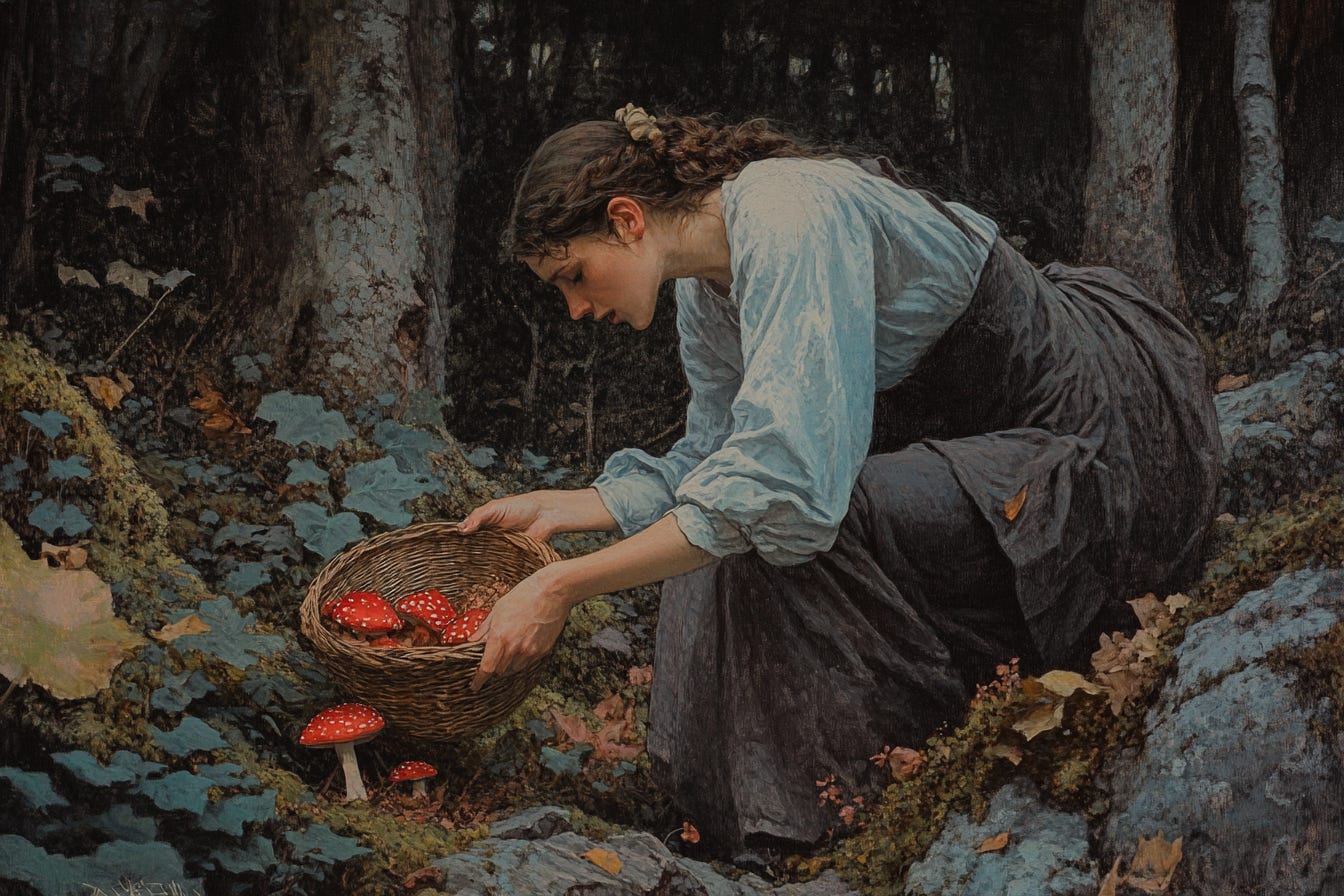
It’s not stereotyping to know that people do react in certain ways. The man who rescues the woman will indeed be very attractive to her. The nurse who tenderly cares for a man who in time recovers his strength will be dear to him. But if we look deeper, we can add depth to the characters, using the predictability as a map of highways and knowing we need to add the secondary and tertiary roads to create a fully-developed character. People resist change, and will return to old habits if not pulled away for some reason, or given support as they change slowly. Humans are this way for a reason: it's not safe for a human alone to careen off in every direction, abandoning the cave for sleeping in the tree and picking that new shiny red mushroom for dinner. We take things slowly almost by instinct, and it's not a bad thing.
In a story, we can precipitate our heroes into trouble that forces change on them. We can, authorially, shatter worlds literal and metaphorical, to make the story happen. But we must remember that humans are always human. Some of the characters, just like some people, will refuse to admit light into their constrained world, and will run around pulling all the blinds tight, taping tinfoil to the windowpanes, and then retreating to a small closet to pretend the world not-as-they-know-it doesn't exist.
It's much better to write the flexible characters, the ones who face the storm afraid but undaunted. These people exist in real life, too. The curious ones, the seekers of knowledge, the ones willing to take a pratfall from time to time, get up, dust themselves off, laugh at how silly they looked, and learn from it. The ones who follow the light and help guide those who cannot see out into safety as the skies fall. They are the characters that, predictably! we like to read about, and hope, in our hearts, that we are like.
Thank you, Ms. Cedar. Very good food for thought. 🫡
I feel like the whole weekend at LibertyCon has been a constant expansion of my understanding of concepts and people.
An important point about predictability is that you can undermine it -- even if the character doesn't change -- by giving him conflicting purposes.
If Jack wants to become a paladin, but at the same time resents the awareness that his unsupportive parents and siblings will rush to bask in reflected glory, there is real doubt in what he will do.