Tale as Old as Time
A Throwback Article

This was originally published on January 16, 2016 at the Mad Genius Club. I’ve been out of school for years and am now writing full time and still, there are days or weeks I’m reaching for words and they aren’t coming easily to my fingertips.

It’s been a week. Mostly, I’ve been head-down in classes. This is mixed, as I am learning things, but it also means I’m not keeping up with my writing, or reading, or… anything. So I was sort of aware that there was some kerfluffle over Gaiman’s tweet that Clarion was the thing to do if you ever wanted to be a writer, but I just rolled my eyes and kept going. Unlike a bunch of people who seem to have let it knot their knickers, I know that you don’t have to do Clarion to be a writer. I can see that tweet for what it is – genuine enthusiasm on the part of a man who really enjoyed the experience of hanging out with other writers. All of you who read Mad Genius Club can appreciate that. After all, you come here to learn, and hang out with other writers and spark enthusiasm off one another. But you don’t have to leave home and work for weeks on end and it costs nothing.
Ok, now that I’m feeling a lot of pressure to produce high-quality content that will inspire you to get out there and write…
But you know that already. Writers write. It’s not about who has published you, or the prestigious awards you have received, it’s about words on the screen (or paper) and readers who want more, and aren’t shy about telling you that.
My problem right now is time. I have ideas. Oh, how I have ideas. Bursting at the seams, my head is. But I don’t have time, and there are stressful things going on in real life that mean I can’t focus on making-believe to a level that allows me to write a seamless story. What I can produce is sawdust, and dry, compared to what I want to create. I’ve been editing more than creating new, and that’s only when I haven’t had homework.
We all, I suspect, have interferences like this. Where we lose the signal in the noise of stress and life. I’ve been reassured that it will pass, in time. I hope so. I really need to write, not just to make money (I’m a mercenary wench, I am) but because I need to tell the stories.
In the meantime, I’ve been creating art. Art I can do while watching a video lecture on the Silk Road… and you know, they didn’t just transport silk over that? And it wasn’t just one road, there were many routes. Furthermore, there was the Silk Road, the Sand Road (across the Sahara Desert) and the Sea Road (around and across the Indian Ocean) which supplied spices, silk, and many other luxury goods to the Romans, Greeks, and Persians. It’s a fascinating piece of history, and one I wish I had more time to delve into, since I've only the lightest of knowledge about it.
This class is like reading Wikipedia articles. No, it’s got less content than some wiki articles I’ve read. But even so, it can spark ideas from which could grow stories. Not a historical – dear ghu, I don’t have time for light fantasy and space opera, never mind the level of research I’d need for that! – but the realization that humanity is both richly diverse, and strangely obstinate in habits.
I mean, doesn’t this sound like, I don’t know, a more recent time in history than Seneca lamenting to the Forum about Silk Road goods sometime around the era of Christ’s life?
“I can see clothes of silk, if materials that do not hide the body, nor even one's decency, can be called clothes... Wretched flocks of maids labour so that the adulteress may be visible through her thin dress, so that her husband has no more acquaintance than any outsider or foreigner with his wife's body.”
The class emphasizes gender roles oddly. I understand what the thinking is, but the reality is that throughout early history – and mind you, the class covers from Neolithic era to 1500 - the men were the public faces, the ones who wore the masks of leadership and war. The women were in the shadows, protected, sheltered, and expected to keep the home that the man could return to a sanctuary. From those similarities, when we look closer, we begin to see the differences in expectations and realities. Stereotypical roles can only be carried so far before they begin to fall apart under scrutiny. Yet the modern historian/anthropologist insists on looking at historical accounts through a lens of modern mindsets like feminism and freedom. Freedom is a rich blessing to live with, but unheard of in the era I’m studying. Even rebellions didn’t seek individual freedom, a concept which would have been regarded as madness, but leaders who would extract a lighter tribute, be less brutal to their slaves.
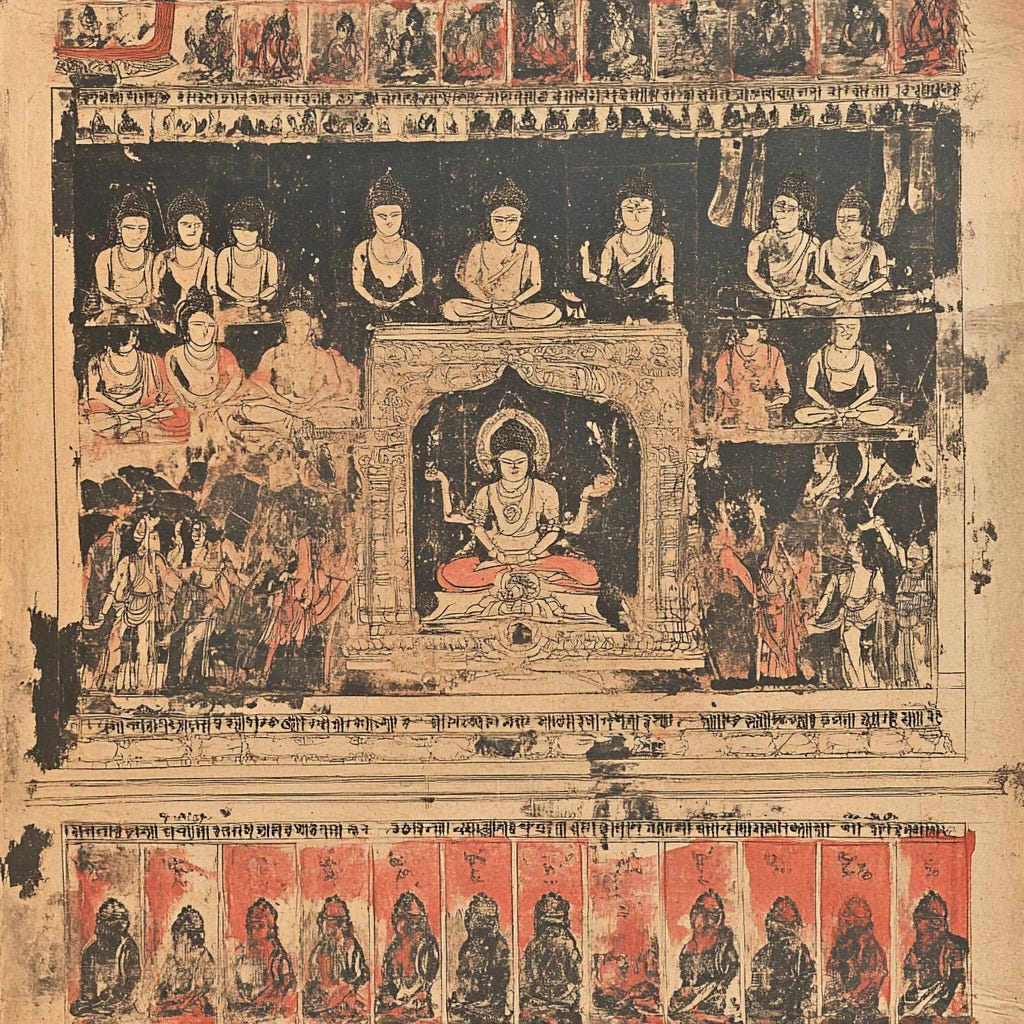
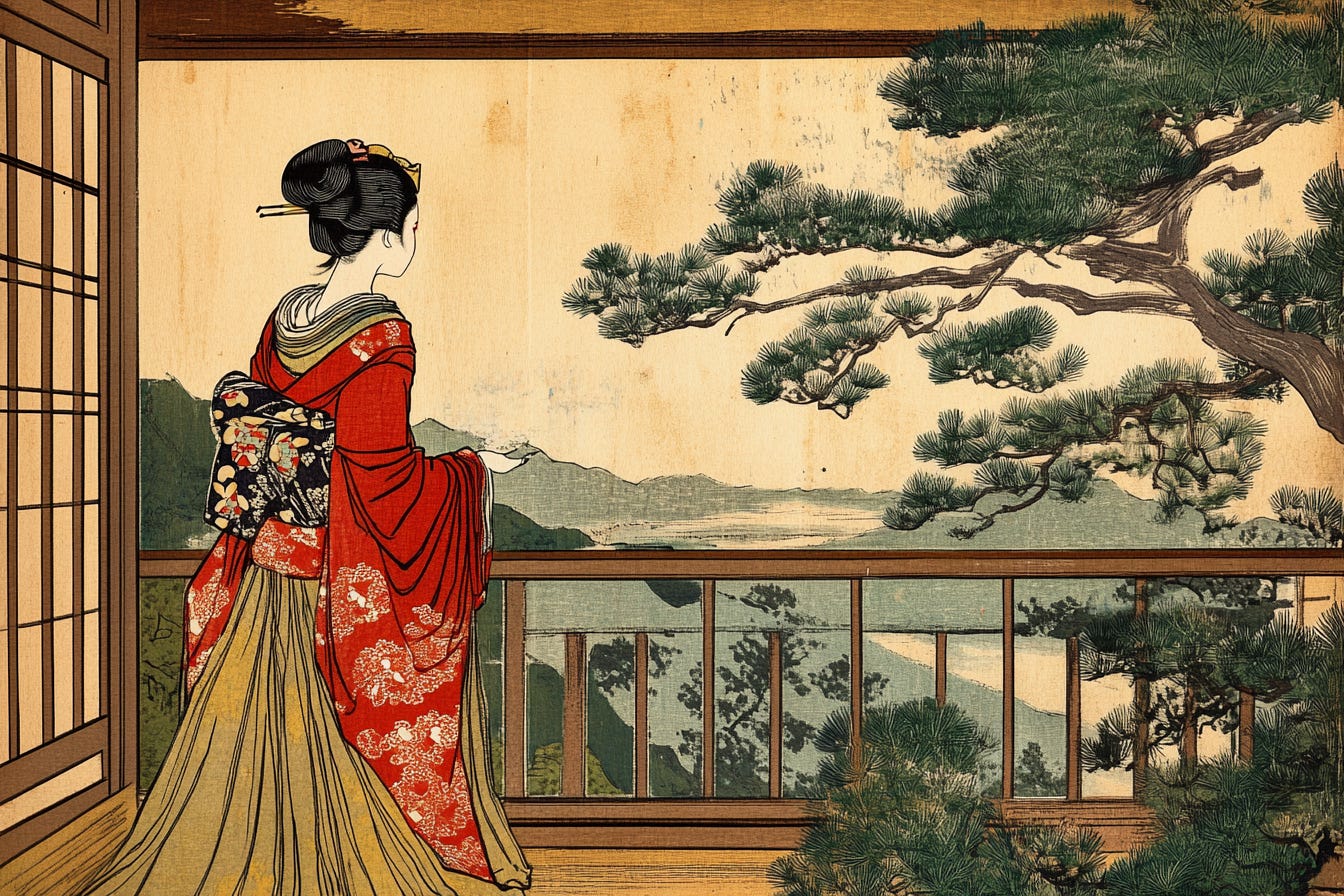
For all the irritations I find in this class – which is less history and more anthropology – I am still learning from it. You can gain insight from anything, even a light novel. But you aren’t going to gain anything from the unread book. And that is why we here at the MGC talk about not using message as a club. If your reader wants that, that is what they will buy. Did you know that the world’s first printed book was not the Bible but the Diamond Sutra, a book of Buddha’s teachings? It was printed with wooden blocks, not moveable print, and it first came out in 868 – I wonder what the critics had to say. As for the first novel, it was written by a woman, in Japan, and it was a romance novel! The Tale of Genji came out in the same era in which Vikings raided cold English shores, and Omar Khayyam wrote the Rubayiyat.
Come, fill the cup, and in the fire of spring Your winter-garment of repentance fling: The bird of time has but a little way To flutter-and the bird is on the wing.
Ah, Love! could you and I with Him conspire To grasp this sorry scheme of things entire, Would not we shatter it to bits, and then Remold it nearer to the heart's desire!
It has been a thousand years, and still we write stories. Romance novels are still derided as women’s provenance and the Bible is still a best seller. The human race doesn’t change much. There will be a market for the racy novel in another thousand years.
Don’t let them get you down. Write early, write often, and when you get stuck, take the time to read something you didn’t think you would like. Stretch your wings a little and see if you can catch the wind of inspiration.