

Backyard Chickens
Raising birds for protein and annoyance

I was thinking about what I’d write for today, and as I was out doing my morning chores, it came to me. I’ll write about the chickens. So here’s the thing about keeping fowl. They are foul. If you can get past that, and the fact that they will keep finding ways to escape, to die, and generally be a pain in your rump, then they do offer some benefits. This is a very high-level primer on keeping backyard chickens.
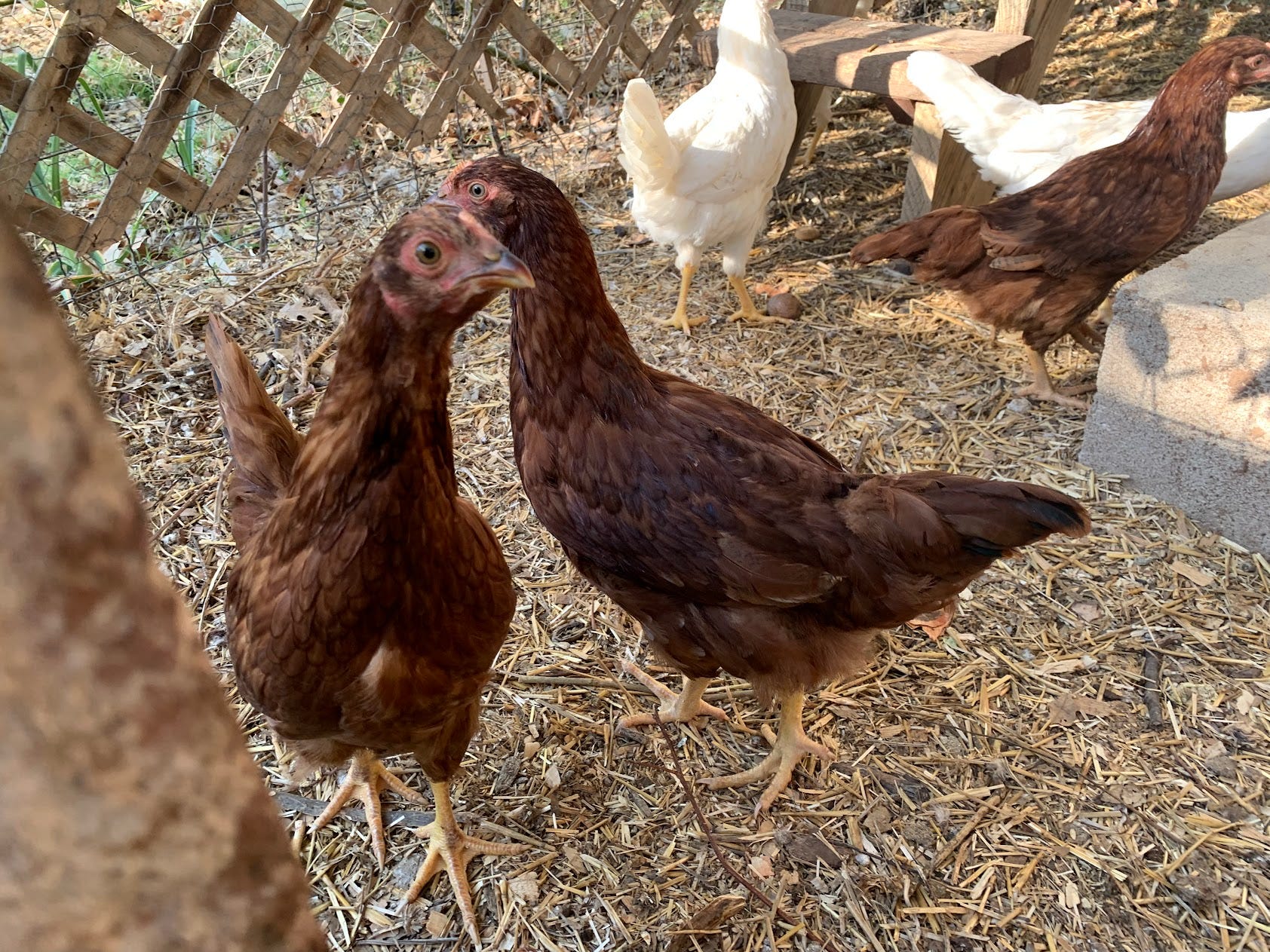
Generally speaking for this purpose, I’m talking eggs. Eggs are a lovely protein source, and you can use them in so many ways. Don’t do this thinking you’re going to get cheap eggs - that’s not how it works - unless eggs get back up to $5 a dozen in which case, you’re prepared. Don’t plan to raise meat birds unless you have a very large yard and tolerant neighbors, because you’ll either have to buy and then butcher two months later, or you have a rooster and a self-sustaining flock. Roosters in town are a no-go. Which means that in addition to starting a flock in the backyard, you’ll need to plan for flock replacement every couple of years. Egg layers will peak in production around a year old, and start to decline in production around year four, but unless you have a heart of stone you’ll find it difficult to consign a hen to the stewpot. I happen to have that flinty organ, but not everyone will, and kids are not going to be happy their pets are meeting the inevitable end. Plan for this.
Know what’s allowed. Chickens are not a ‘quiet meat’ which is likely another post about guerilla stock-keeping and self-sufficiency on a small lot. Your neighbors will know you have hens. Look into the town by-laws, and work within that as much as possible. If you don’t have a fenced yard, don’t consider keeping chickens because one of the biggest predators your little flock will face are stray dogs. There are others: raccoons, fox, coyotes, even cats when the chickens are small. But dogs are the worst and usually just kill because they are playing with the chickens.
Build a tight coop. The trick to fending off most predators is to have a coop they can’t get into (including burying up to a foot of wire so they can’t dig their way in) and the chickens can’t get out of. This means a roof, too, because not only can chickens fly (badly, but they don’t care about grace and elegance) but hawks and owls find domestic birds easy meals. McChicken is on the menu, boys!
Don’t spend too much. It’s really easy these days to fall into the trap of spending hundreds or thousands on a cute little Pinterest-ready coop. Don’t do this. Chickens don’t care. I should probably draw up the plans for the triangular chicken tractor Dad and I designed, which could be moved around easily, held a few hens, and went together with a sheet of plywood, scrap lumber, and a few square feet of chicken wire. Moving the chickens around keeps insects in the yard down, reduces the need for bedding, and amuses your hens. You will still need a coop for overwintering, likely, but these need not be large for a half-dozen hens which is what most backyard flocks are going to look like. I got lucky with an existing enclosure for an old hot tub which was easily modified into a coop sufficient for all the hens I can keep.
Plan for absences. One thing about chickens is that you don’t have to be working with them every day at dawn, twice a day for milking like goats, you can leave them on their own for a few days at a time. I have both feed and water set up for mine to leave them for up to a week at a time. A five-gallon bucket feeder, and in my case I did invest in a five-gallon galvanized waterer as well. You can get the watering connects for a five-gallon bucket, or even a waterer that hooks to a water source for perpetual water.
Don’t let them run loose. They will tear up your garden, first of all, and the predators will have a field day. Also, chickens can fly (I know, I already said that. I feel I need to say it a few times) and they will escape and annoy your neighbors and then you’ll have trouble. If you want to let them roam, build a little chicken tractor.
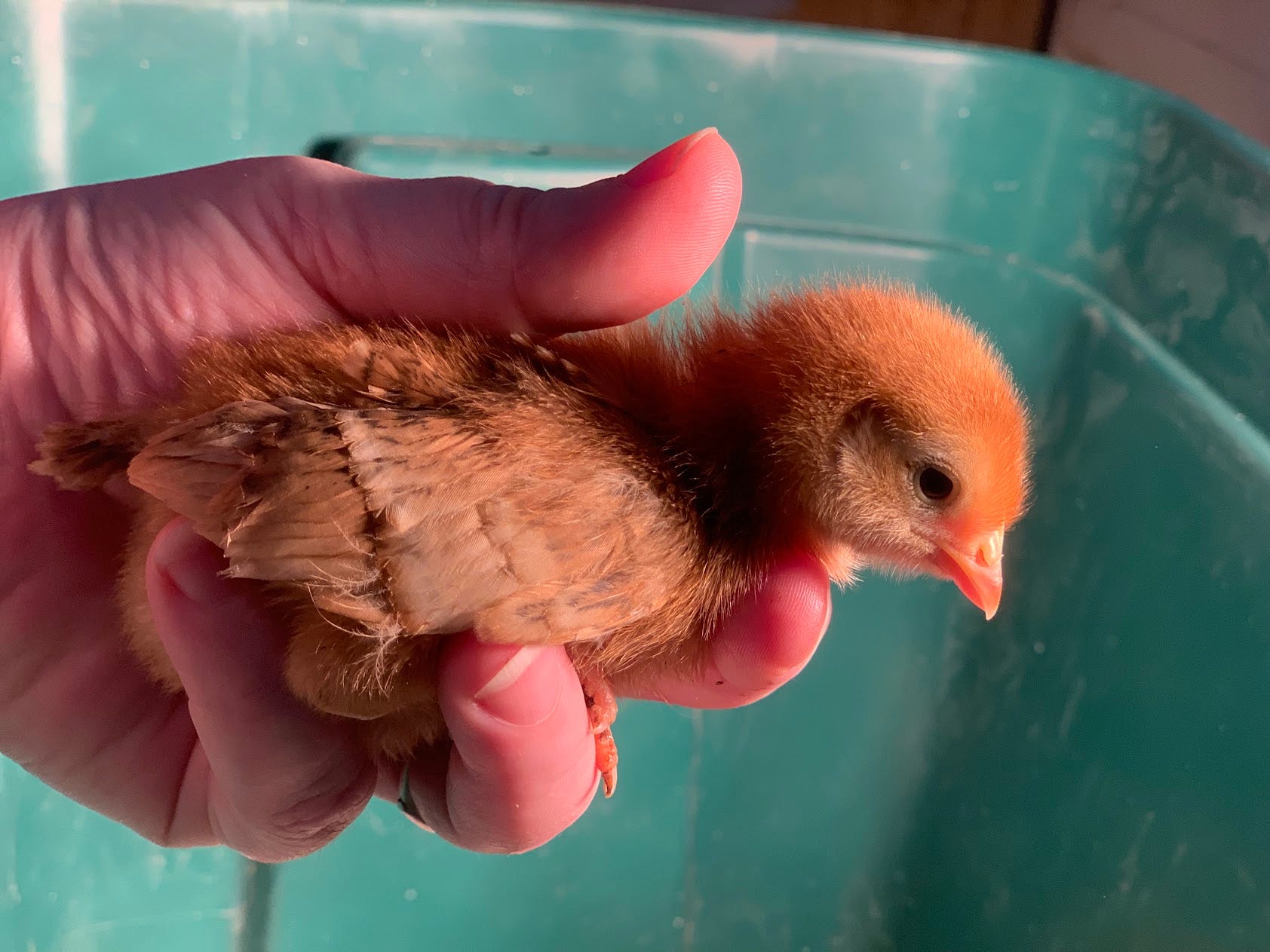
Have a plan for brooding. If you are willing to be patient, buy your initial chicks later in spring (say, April) and you can brood with some support outdoors. They will need a heat lamp regardless for the first week. I tried the heat mat with my batch this spring and it helped but wasn’t enough at times when it was very cold, but I started in January. I’ll have eggs by the end of June, but it is more of a challenge to do winter chicks. I had my chicks indoors for the first two weeks but even changing their bedding daily they are dusty and stinky, you really don’t want to do this if you can help it! I finished brooding in the garage, and moved them out into the coop once they were fully-feathered but gave them their own space as the big chickens will pick on them and they are too little at first to deal with this. You don’t want to fully integrate the flock until the babies are around eight weeks old.
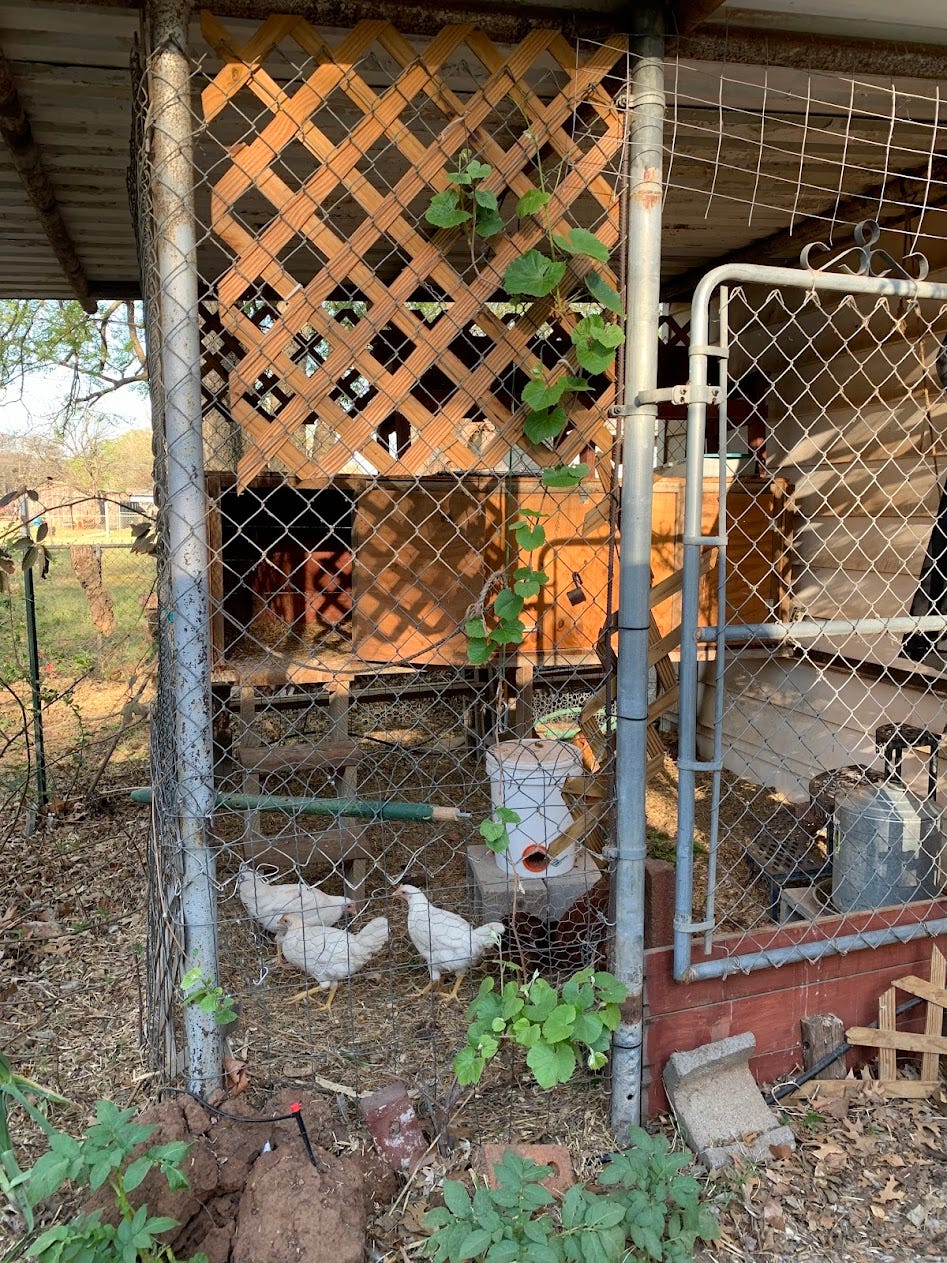
Plan for special considerations. Chickens are generally healthy but there are diseases they can get, and they don’t do well with wet feet so having elevated roosts is best for them. In my case, it’s hot and so I’ve done things like planting around the coop to provide more shade, including this grapevine that will grow around on the enclosure this year, last year it was just getting started. I also have a couple of drip emitters which spray into the coop while running, to give the birds some cool spots. I may wind up setting up a solar-powered mist system for them as well. Your best bet is going to be to find someone local and talk to them about what works and what doesn’t in your area. If you are in a very cold place, you’ll want to keep your chickens fully enclosed and with an incandescent light bulb burning to keep them just a bit warm. In Alaska and even in NH we had chickens lose toes and combs to frostbite. You’ll want birds with close combs (called pea combs), feathered feet, or Polish with the topknot of feathers, if you live with extreme cold winters.
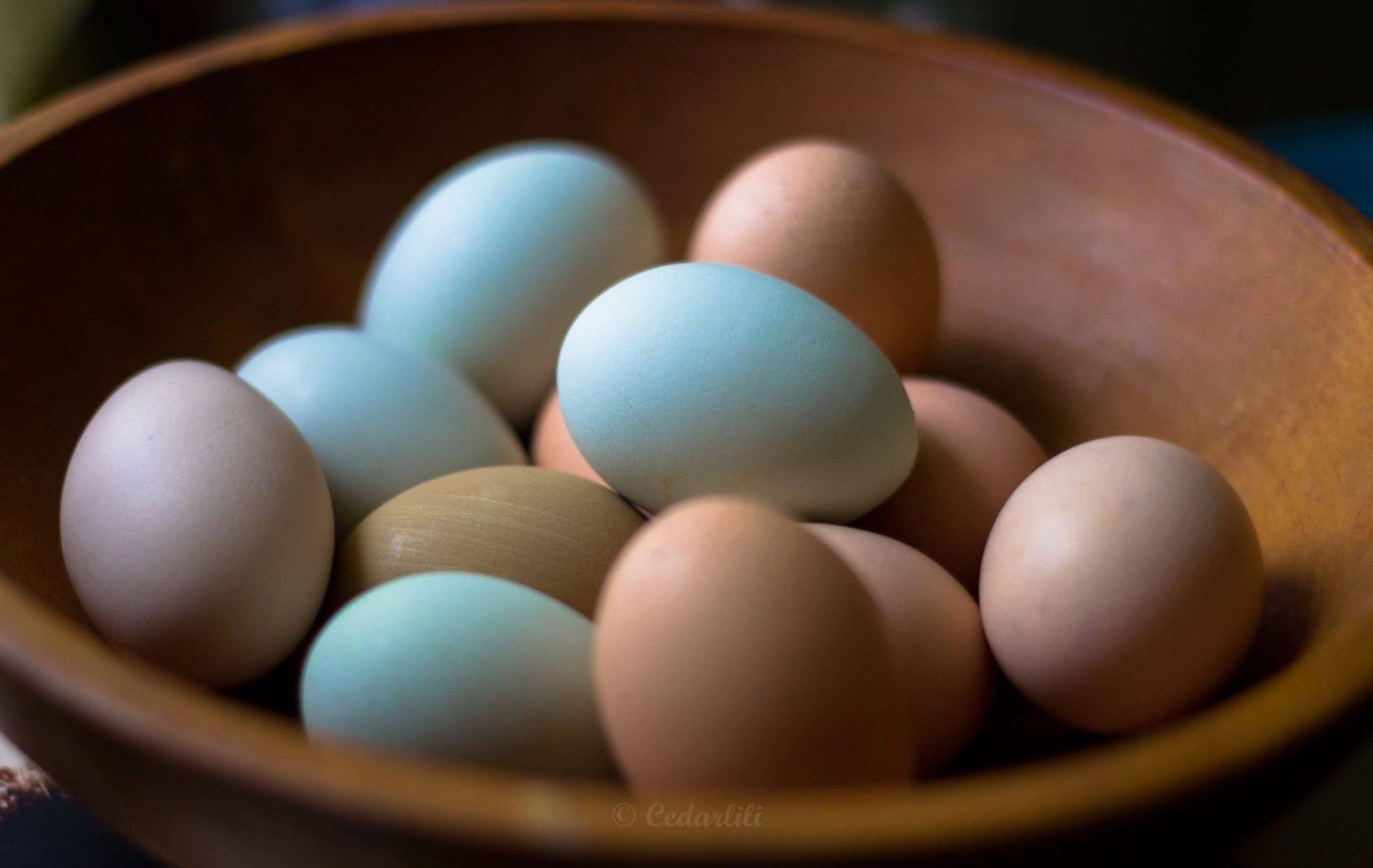
So why, with all this fuss and bother, would you keep chickens? Well, mostly, eggs. I prefer fresh eggs, and even if you have a closed run, chickens will happily eat any and all tablescraps, scratch through handfuls of weeds, help you with that cup of beetles you pulled off the roses, and generally aid in composting1 organic materials. My birds are not allowed to roam because I’d have to keep their wings clipped2 and because I’d like to have a garden for more than a temporary chicken buffet. However, I make sure they get greens and bugs, so their yolks remain a nice bright orange. I feed layer pellets at 15% protein to support egg production, and that has supplemental calcium. I don’t feed back eggshells until they are finely crushed, so I don’t teach them their own eggs are tasty. Once egg eating is established in a flock it’s better to put them all in the freezer and start over fresh.
Again, this isn’t likely to save money unless something goes wrong with national egg production again. I can get eggs at the local supermarkets for about a buck or two a dozen, depending, and I can’t raise my own eggs that cheaply. Feed costs money, so do the chicks themselves (about $6-8 each for sexed common breed chicks, much more if you want specialty heritage breeds), as well as the infrastructure to keep, brood, and deal with their inevitable demises. However, I have come to the conclusion that having grown up gardening and keeping stock, it’s in my bones and doesn’t feel right unless I’m doing this. Probably a good way to raise kids. And of course, it’s a small way to be more self-sufficient and although I’m not one to predict the collapse of civilization, it’s a little bit of a security net, isn’t it?
Just don’t make pets out of them. Vicious wee beasties, never forgot they once ran with the dinosaurs.
You cannot put chicken manure onto the garden until it has aged for a year, maybe two. So keep that in mind. It’s very high in nitrogen, which is called ‘hot’ and will burn the plants, can actually be strong enough to prevent all growth where applied heavily.
Doesn’t hurt them, you’re just cutting wingfeathers, but also doesn’t entirely keep them from jumping fences and all my neighbors have dogs.
(Copying my response from elsewhere over to here.) Watching the little video clip in Cedar's blog post today (her chickens walking around their pen), and Juniper (Cedar's little sister) was making happy little noises about "Chickens!" LOL! I'm getting chickens again (ordered chicks who will be here later this summer), not for eggs so much as to raise chicks for our own meat supply. I think Juniper will be pleased. So will the little dogs, who will happily kill and eat all of the poultry unless the birds are securely fenced (my little dogs, to be clear, who are excellent hunters of moles and all things rodent, but also anything else smallish that moves).
I've had dogs who were fine with loose poultry; these little Rat Terrier X Schipperke's are not.
I sent for four breeds, three pullets and two cockerels of each (with intention to eat the extra cockerel if both survive): Delaware, White Rock, Speckled Sussex (which I've wanted forever), and Buckeye. They are all among the best meat producers of the dual-purpose breeds. I'll have to buy another incubator because I gave mine to my sister last year, but won't need that until these birds start laying next year.
Initially I'll raise them in my raised brooder house, but then I think I'll separate them into four chicken tractors and do a spiral cross-breeding program, and see what we come up with.
We bought a house on 4 acres in the semi-rural middle part of our Florida Panhandle county. No HOA, zoned for low density housing, farming and pretty much anything else. First thing we got was goats and chickens because the two daughters were 8 and 9 and wanted them. Built a 35' by 35' chicken pen with a cheap wooden coop in the center and the whole thing later divided into halves so that we could rotate the chickens from one side the other every year. Got our first chickens by mail-order, a box of 40 sexed chicks. All arrived alive and only one died before growing up. Had plenty of eggs, Fed them grower pellets, then regular chicken feed and corn. Supplemented that with kitchen scraps, yard waste (grass clippings and leaves) and a friend brought over 4-6 50 lbs bags of "day-old" donuts once a month. Even gave the chickens an 8 foot shark we caught in a gill net. "P-e-ee-www", do not recommennd. As time we on we replaced the chickens with ones bought locally, maybe $2-3 apiece depending on age. We had enough eggs to sell cheap to neighbors, to keep us and our cats and dogs well-fed too. The problem about neighbors, even though we sold the eggs really cheap was that we'd occasionally get a gripe about "blood in the egg" or some kid sent by his mama at 0730 on a Sunday morning wanting a dozen (our dozen was always 13) eggs for a handful of pennies, nickels and a dime or two. We quit selling eggs and fed the surplus to the pets or gave them away to friends at work.
The real upside to the split chicken pen was that chickens will do ALL of the composting work on whatever you toss into their pen. So we harvested eggs and rich compost (once a year). It was fun times. Kids liked it. They helped in tending ducks, geese, potbelly pigs, rabbits, guineas, 1 turkey and 1 peacock, 2 Sicilian donkeys and both kids did hog and steer projects in 4-H and FFA. I raised cattle in onesies-twosies for freezer beef.