

Commoditizations
A Throwback Writing Article

This was originally published at the Mad Genius Club on January 27, 2018. This was before the era of AI and as I said recently: we’ve been through waves of cheap books before, swamping and reshaping the market much like a tsunami can reshape an entire coastline. We endured, figure out how to navigate the changed landscape then. We can do that again.
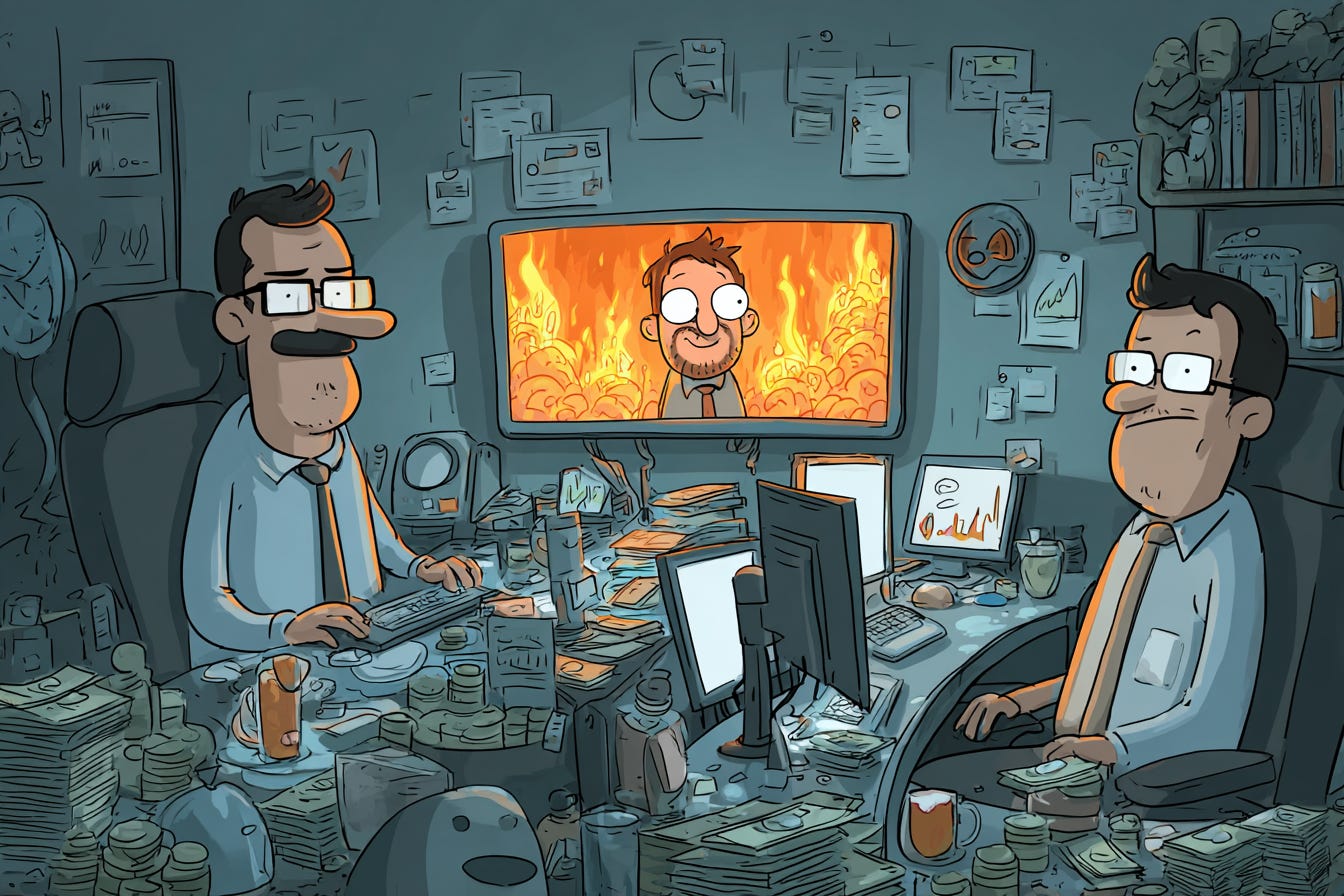
When a product can be easily and quickly price-shopped and compared apples to apples, the consumer is more likely to select the same product for the cheaper price. This process is called commoditization. When a product is first introduced, the novelty and scarcity drive up the demand, the supply is slimmer because it’s not yet in mass production, and the producer can charge higher prices.
Books have been undergoing the commoditization process for the last decade. While an individual work is not, perhaps, a commodity, books as a whole are, and must be considered as such when developing a marketing plan. Your book, if you are an author, might seem like something unique, and special, and a novelty on the market, but to a reader, this is not usually the case: you are competing for a sale not with another author who writes similar books, but with the mass of books in that genre (or for the voracious reader, the mass of books in general, but that’s another topic).
Indie Authors saw the commodity market opening up with Smashwords and Amazon, and they dove in exuberantly. By pricing their products lower than the rest of the market, they appealed to cost-conscious readers. Amazon, riding this wave, furthered the movement with Kindle Unlimited, opening a vast pool of reading material to consumers who shelled out a low monthly fee.
Much weeping, wailing, and gnashing of teeth ensued from writers and publishers. The problem is that as nice as the old system was in terms of profits, this is hardly the first time that cheap books have upset the market, and it probably won’t be the last (although looking at the trends, it’s hard to see how we can make it go much lower, which means that I predict a pendulum of the trend: cheap reads, but beautiful books that are more art than simple entertainment). Mass market paperbacks, and the pulps of yore, did it first. Ebooks are the children of the cheap paperbacks in the drugstore racks.
The internet, and the ability to cheaply transfer files, and then the advent of handheld digital devices that could snatch a book from the aether in seconds, all those things made ebooks a cheap and constant companion for the devoted readers. Audiobooks convert non-readers to readers. The commoditization of books, for readers who consume those books, has been a very good thing. And unlike, say, the mass production of, um, tee-shirts (to pick a quick example) books can’t just be outsourced to another country where the living wage is pennies on the dollar (no matter what publishers seem to think about authors). In the tee-shirt market, the consumer can walk into Walmart and pick up a plain tee for, say, $3. Or, if that consumer is particularly fond of fun geeky tees, they can flit online to TeeTurtle and grab one for $20, or if they’re shopping frugal, on sale for $12. That same geeky consumer can habituate cons and buy superior tees with designs you just can’t find elsewhere from folks like Mystik Waboose Clothiers, and they will happily pay the premium price of $24 for that shirt they can wear to fly their geek flag with pride. Books can reach across that same spectrum - only they can do that with a single title. A consumer can borrow the book through KU (nets the author roughly 0.90$), can buy the ebook (3.50$ to the author), can buy the paperback (gosh, this is variable. Say $5 to the author), can buy the hardback (urm. Let’s go with $6), can go to a con and have that book signed (Out of hand sales, so a higher profit of $7). Those numbers can vary wildly, obviously, i’m working off my experience with my own books for pricing and length. I’ll admit the hardback is pulled out of thin air - that’s not something I’ve done although I plan to with the next book. That is how the commoditization of books can actually help the Indie Author.
Somewhat obviously, books becoming commodities hurts the traditional publisher. They have fought this tooth and nail - even entering into highly illegal price-fixing schemes in a desperate attempt to prevent the process from altering the market. With higher operating costs than the nimble Indie, they have been falling back into two approaches: trying to sell their books as ‘better’ than Indie titles, and cutting costs by reducing what is paid out to authors.
Writers are not interchangeable widgets. Unlike the tee-shirts I used as an example above, the writer can produce a product that isn’t like other writers. Which the reader appreciates. And readers are willing to purchase books that are known commodities: i.e. written by an author they trust to produce a quality product. Readers are willing to pay higher prices for those books. However, the author cannot take advantage of this principle unless they are able to write fast enough to keep their current readers happy and buying (and no one can, not even the mass-production authors who can put out ten books a year) or unless they are able to lure in new readers with a loss-leader. Jim Baen, a pioneer of the ebook market, and worth studying for his ideas on that which are still fresh and relevant, seized the bull by the horns and offered readers the first hit for free. The Baen Free Library still contains many first books in a series, free, in multiple formats, and many readers have spent a lot of money with Baen because they found those books, found them good, and read the rest of the series. Then, being voracious readers, they bought everything else they could find by that author.
Writers learned from this, and from the success of snippets, where the first chapters of a book were published online free to access by anyone. Hooked readers lined up not just to buy the book as soon as it was released, but clamored for a high-end product that could be consumed early, the original E-Arcs, which still sell for $15, an astronomical price for fiction ebooks. Books sell, if they are good books. Fans will buy books in multiple formats if they really love them. Fans will also give books as gifts, hoping to hook their friends and families on the authors they love. Making the book market more accessible to fans through commoditization will keep it alive in this era of cheap, easy, multi-media entertainment. Cheap books are not killing the market. Inexpensive reads are going to be what keeps it alive.
I saw “commode” and instantly saw the flood of AI “stories” cluttering up the ether, all using identical hackneyed phrases, same four plots, same five names, and boring audio narration. Definitely falls into the commode.
My marketing theory is, write something people want to read; publish a lot of it. We'll see how that works out since I'm likely to only put out one book per year at best.